
Why Attic Ventilation Is a Bigger Deal in Colorado Springs
Colorado sits at altitude, and altitude changes how solar radiation works. At 6,035 feet, Colorado Springs’ elevation, the atmosphere filters less ultraviolet radiation than at sea level. That means roofs and attics absorb more solar energy per square foot than equivalent homes at lower elevations. On a 90-degree afternoon in Colorado Springs, an attic without adequate ventilation routinely reaches 140 to 160 degrees Fahrenheit.
What Superheated Attic Air Does to Your Home
The consequences of an under-ventilated attic go beyond comfort:
Your air conditioner works harder and costs more to run.
When attic temperatures exceed 150 degrees, radiant heat pushes through your ceiling insulation and into the living space below. Your air conditioner has to overcome this constant heat gain, not just cool the air, but fight the ceiling radiating heat downward. Studies by the Florida Solar Energy Center found that powered attic ventilation can reduce attic temperatures by 20 to 40 degrees, reducing cooling load meaningfully.
Your roof ages faster.
Extreme heat cycles accelerate the deterioration of asphalt shingles. Roofing manufacturers have documented that consistently high attic temperatures shorten shingle lifespan, a problem compounded by Colorado Springs’ high solar exposure and the freeze-thaw cycles that follow hot summers.
Your HVAC ductwork loses efficiency.
If your air conditioning ducts run through the attic, which they do in the majority of Colorado Springs homes, those ducts are running through 150-degree air. Even well-insulated ductwork loses cooling capacity to heat conduction. Reducing attic temperature directly reduces the work your duct system has to do.
Moisture accumulates in winter.
Colorado Springs winters create a different ventilation problem: warm, moist interior air rises and finds its way into the attic space. Without proper air movement, that moisture condenses on sheathing and framing, the early stages of mold and structural rot. A properly designed and installed ventilation system that includes electrical controls for humidity addresses both the summer heat problem and the winter moisture problem in a single installation.
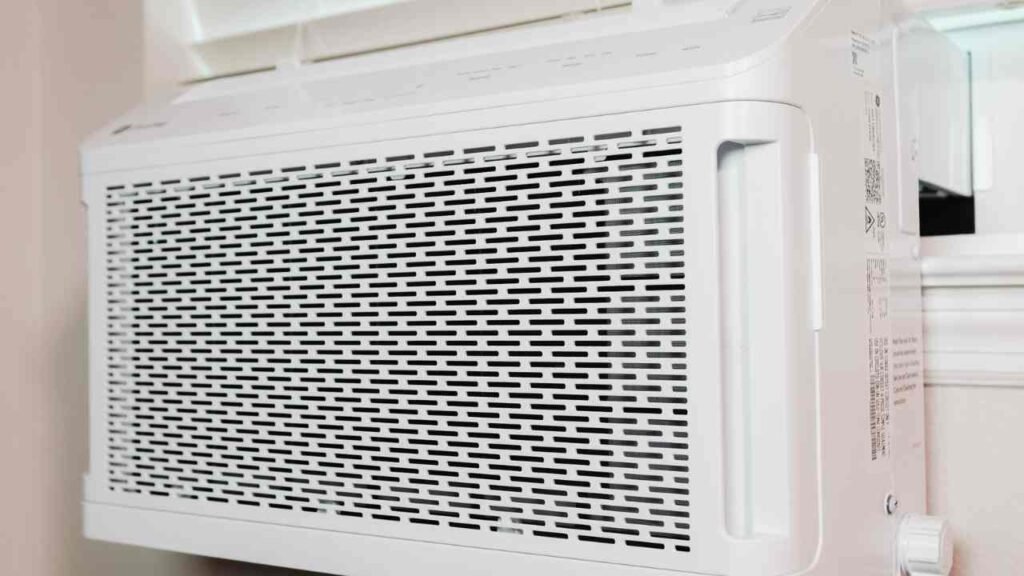
Attic Fan and Ventilation Systems We Wire and Install
Powered Attic Ventilators (Roof-Mount and Gable-Mount)
A powered attic ventilator, PAV, is a motorized fan installed at the roof peak or in the gable end of your attic that actively exhausts superheated air. Unlike passive ridge and soffit ventilation, a PAV runs continuously when the attic reaches a set temperature, moving far more air volume than passive venting alone.
The electrical installation for a PAV involves running a new dedicated circuit from your main panel to the attic space, connecting the fan motor, and wiring the thermostat controller that activates the fan at your chosen temperature threshold, typically set between 100 and 110 degrees Fahrenheit for Colorado Springs conditions.
We install both roof-mount and gable-mount configurations depending on your attic geometry, roof type, and soffit ventilation installation capacity. The correct fan size, measured in cubic feet per minute (CFM), depends on your attic volume. We calculate this at your estimate so the system is sized for your specific home, not just the largest model that fits the opening.
Whole-House Attic Fans
A whole-house attic fan is a different product from a powered attic ventilator, and the distinction matters. Where a PAV ventilates the attic space, a whole-house fan is installed in the ceiling between the living space and the attic and draws cool outside air through open windows while exhausting hot interior air up through the attic and out through the roof vents.
On Colorado Springs evenings, when temperatures frequently drop 20 to 30 degrees after sunset, a whole-house fan can cool a home from 82 degrees to 68 degrees in 15 to 20 minutes, replacing the air conditioning entirely for the evening and overnight hours. The operational cost is a fraction of running an air conditioner.
The electrical installation for a whole-house fan requires a new dedicated circuit, typically 20 amps, from the panel to the fan location in a central hallway ceiling, wiring for the wall-mounted variable speed control, and in some installations, a timer circuit for automated night cycling. The attic space above the fan must have adequate exhaust capacity, we assess this at your estimate to ensure the fan won’t pressurize the attic rather than exhausting through it.
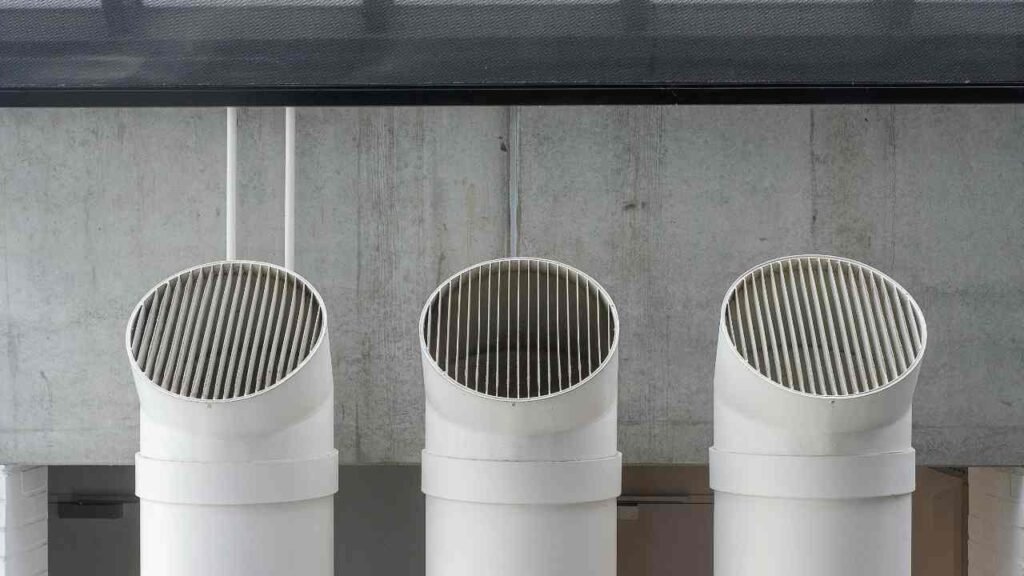
Solar-Powered Attic Ventilators
Solar-powered attic ventilators use a photovoltaic panel mounted on the roof to power the fan motor without drawing from your home’s electrical system. They’re an attractive option for Colorado Springs given the region’s exceptional solar resource, a solar PAV runs hardest on the sunniest, hottest days, which is precisely when attic ventilation installation is most needed.
Our electrical scope on solar PAV installations covers the mounting and wiring of the solar panel to the fan motor, any supplemental wiring for battery backup operation on overcast days, and the installation of optional thermostat control to prevent the fan from running in winter when attic ventilation is not needed.
Humidistat-Controlled Ventilation Systems
For Colorado Springs homes where winter moisture accumulation in the attic is a documented concern, particularly in homes with inadequate vapor barriers or those in the higher-humidity microclimates east of the Front Range, a humidistat-controlled ventilation system addresses the moisture problem independently of temperature.
A humidistat is wired in series with or parallel to the thermostat control, activating the attic fan when relative humidity exceeds a set threshold regardless of temperature. This is the appropriate control configuration for homes where a contractor has found evidence of condensation, mold, or moisture staining on attic sheathing.
We wire humidistat controls as standalone systems or as dual thermostat-humidistat configurations depending on your attic’s specific needs.
What Attic Fan Electrical Installation Covers in Colorado Springs
New Circuit from Panel to Attic
A powered attic fan or whole-house fan requires a dedicated circuit from your main electrical panel, not a tap from an existing attic light circuit, which lacks the amperage capacity for a fan motor running continuously. We run the circuit in the appropriate wire gauge for the fan’s amperage draw, using conduit or cable methods appropriate to the attic space and your panel’s available capacity.
Thermostat and Controller Wiring
The thermostat control for a powered attic ventilator is typically located at the fan itself in the attic space, set to a temperature threshold during installation. Whole-house fans use a wall-mounted variable speed control, timer switch, or smart control wired at the switch location in your living space.
We program thermostat settings appropriate for Colorado Springs conditions and provide you with adjustment instructions so you can tune the system after observing how your attic performs across a few seasonal cycles.
Permit Requirements for Attic Fan Installation in Colorado Springs
A new electrical circuit for an attic fan installation in Colorado Springs requires a permit from the City of Colorado Springs Building Department. We pull the permit, schedule the inspection, and provide you with the completed documentation. Work involving only a like-for-like motor replacement on an existing fan circuit may not require a permit, we’ll clarify which applies to your specific installation at the estimate.
Attic Fan and Ventilation Installation Costs in Colorado Springs
Powered Attic Ventilator Installation
A single powered attic ventilator with new circuit wiring, thermostat control, and installation typically runs $450 to $900 in Colorado Springs depending on panel accessibility, attic access conditions, and the distance the circuit must run. Larger homes requiring two PAVs run $750 to $1,600 for both units installed on a common circuit.
Whole-House Attic Fan Installation
Whole-house fan installation is a larger project, the fan itself is larger, the ceiling penetration requires framing work, and the circuit run is typically longer. Installed cost in most Colorado Springs homes runs $900 to $1,800 including the fan, ceiling installation, new circuit wiring, and wall control.
Solar-Powered Attic Ventilator Installation
Solar PAV installations run $600 to $1,200 depending on roof accessibility, mounting configuration, and whether thermostat control is included.
Humidistat Control Addition
Adding a humidistat control to an existing attic fan circuit runs $150 to $350 depending on the control type and accessibility.
The most accurate number for your home comes from a free on-site estimate. Call (719) 793-8342 and we’ll assess your attic, calculate the right fan size, and give you a flat installed price before anything is scheduled.
Frequently Asked Questions About Attic Fan Installation in Colorado Springs
How much can an attic fan actually save on my Colorado Springs electricity bill?
Real-world savings depend on your home’s insulation, your air conditioner’s efficiency, and how you use the system. Homes where the whole-house fan replaces air conditioning for evening and overnight hours, common in Colorado Springs where summer nights frequently drop into the 50s, typically see cooling cost reductions of 30 to 60 percent during the months the fan is in heavy use. Powered attic ventilators that reduce daytime attic temperature typically reduce cooling load by 10 to 25 percent.
Does a whole-house attic fan work in Colorado Springs’ climate specifically?
Colorado Springs is one of the best climates in the country for whole-house fan operation. The combination of hot afternoons and dramatically cooler evenings, a daily temperature swing of 25 to 35 degrees is common in summer, means the window for effective whole-house fan operation is longer here than in humid climates where nighttime temperatures stay warm. The low relative humidity also means bringing outdoor air inside doesn’t introduce moisture problems the way it would in a more humid region.
Do I need to open windows for a whole-house attic fan to work?
Yes. A whole-house fan draws air in through open windows and exhausts it through the attic. For effective operation, you need open windows in the rooms you want to cool, typically bedrooms and living areas. The system works by moving air volume through the home rapidly, so the windows need to provide an adequate intake area. We’ll walk you through the operating procedure during the installation walkthrough.
Can my existing electrical panel support an attic fan installation?
Most Colorado Springs panels have at least one available breaker space for a new circuit. We check this at the estimate. If your panel is at capacity, we’ll tell you, and depending on the panel condition, either a tandem breaker in a compatible slot or a small subpanel addition may be the appropriate solution. We won’t schedule an installation without confirming your panel can support it cleanly.
Does an attic fan installation require a permit in Colorado Springs?
Yes, for any new circuit installation. We handle the permit application and city inspection coordination as part of every installation. You receive the completed permit documentation after inspection sign-off.
Should I get a solar attic fan or a wired attic fan for my Colorado Springs home?
Solar PAVs run for free on sunny days, which in Colorado Springs is most of the summer. However, they stop working after dark and on overcast days, and they can’t be equipped with thermostat control in some configurations. Wired fans operate on demand regardless of sun conditions, run at consistent speed, and can be precisely controlled by temperature and humidity setpoints. For whole-house fans, wired is the only practical option. For powered attic ventilators, solar is a reasonable choice for homeowners who want zero operating cost and have good roof solar exposure.
Attic Fan Installation Across Colorado Springs and El Paso County, CO
We install powered attic ventilators, whole-house fans, and ventilation controls throughout Colorado Springs including Briargate, Northgate, and Gleneagle (80921), Old Colorado City, Broadmoor, and central Colorado Springs (80903–80906), and the east side and Powers corridor (80922, 80923). We also serve Monument (80132), Black Forest (80908), Fountain (80817), Security-Widefield (80911), and Falcon (80831).
For homes where attic fan installation shows that the electrical panel needs additional capacity, electrical panel upgrades in Colorado Springs may be necessary. When attic ventilation is part of a larger energy upgrade such as adding EV charging or whole home surge protection we can complete everything in a single coordinated project visit.
Call (719) 793-8342 for a free estimate, same-week availability across most of Colorado Springs and El Paso County